Work
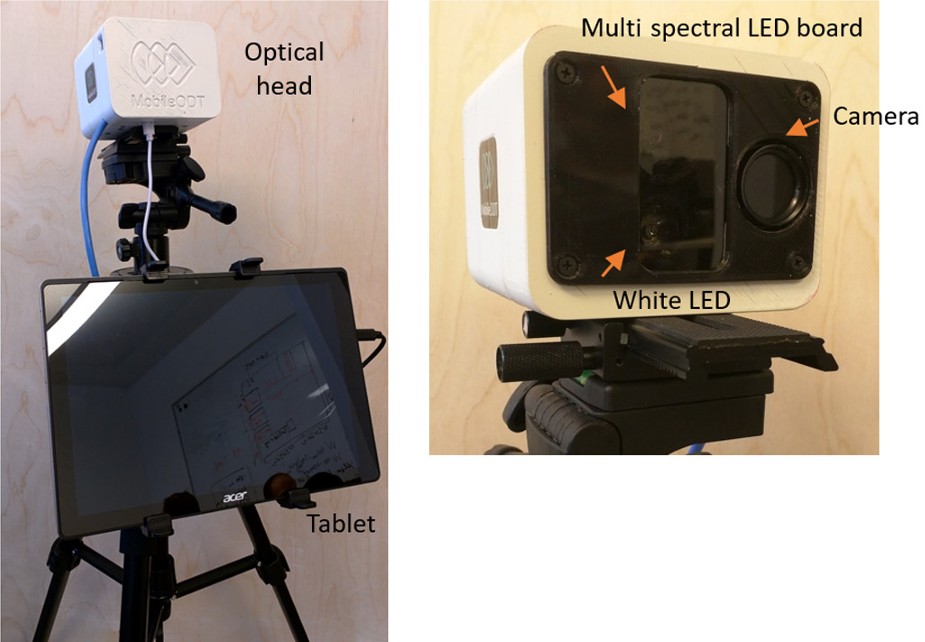
Multispectral Colposcopy System
Designed and built three iterations of a portable multispectral imaging system for cervical tissue characterisation — from PCB layout and LED driver circuits through MSP430 firmware to image analysis algorithms incorporating biomedical tissue models. Developed in direct collaboration with Prof. Steve Jacques (OHSU). Published in the Journal of Biomedical Optics (2018).
The hardware became the research platform underpinning the EVA Smart Colposcope — the first FDA-cleared device with integrated AI for cervical cancer detection, now deployed in 29 countries.
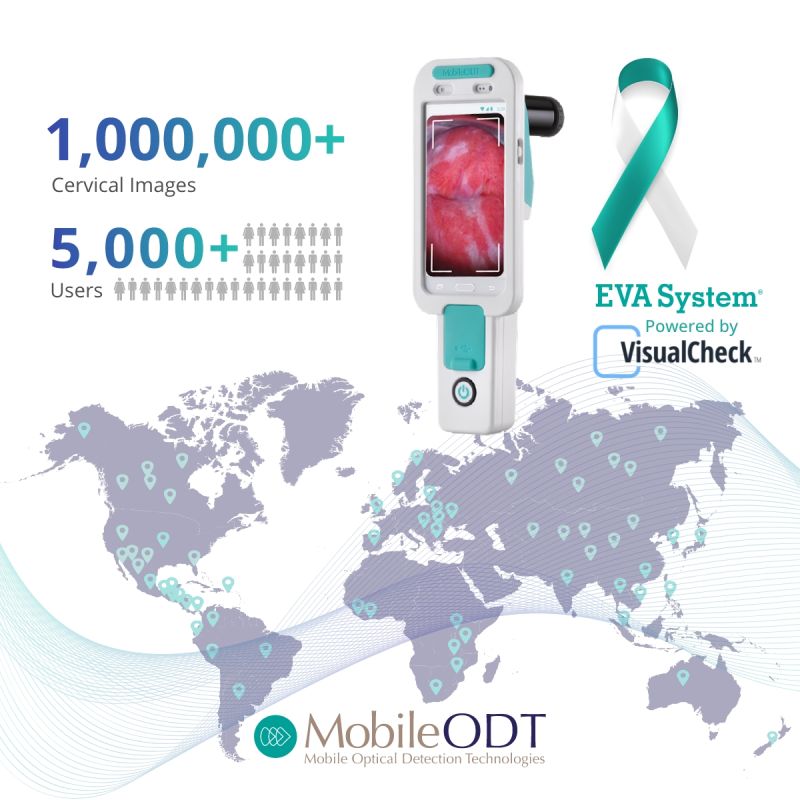
EVA Smart Colposcope: Regulatory & Scale-up
Hardware and firmware engineer on the EVA colposcope programme working toward FDA 510(k) clearance. Took over PCB design from an external contractor and drove it to production; designed and developed firmware through to production release; resolved thermal design issues; and worked directly with testing laboratories through ISO electrical and safety certification. Contributed to EMC and thermal testing documentation as part of the broader regulatory submission.
MobileODT was acquired by Liger Medical in 2022 to form an integrated screen-and-treat platform targeting the elimination of cervical cancer in low-resource settings worldwide.
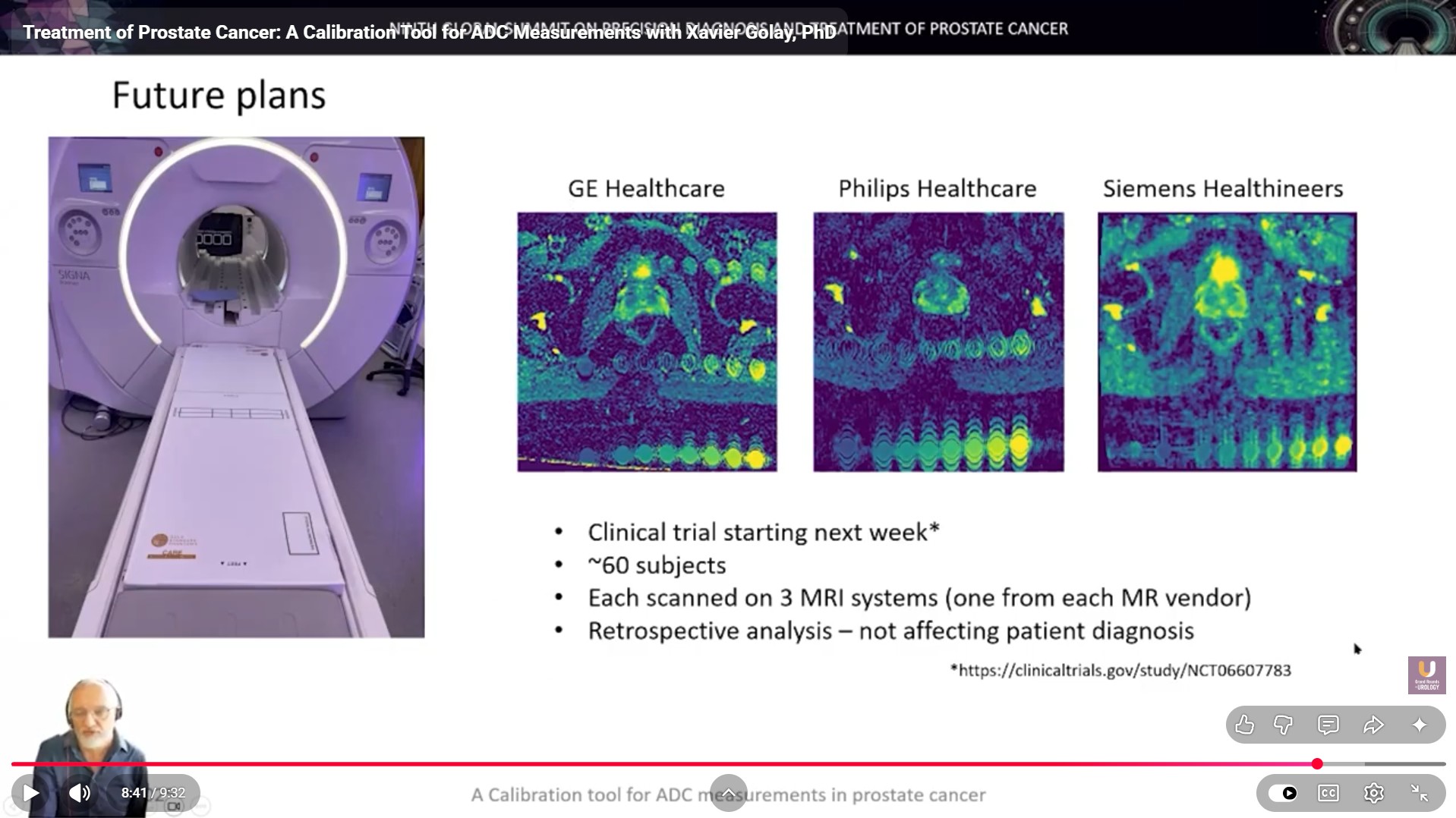
PREDICT: MRI Calibration Pipeline
Core developer of the analytical pipeline underpinning the PREDICT clinical trial (NCT06607783) — a €1.6m Horizon Europe EIC Accelerator programme targeting standardised, traceable prostate cancer MRI diagnostics. Built full uncertainty propagation for temperature-dependent phantom materials in close collaboration with Peter Harris at NPL. Also lead developer of spirit-phantom, the open-source Python QA tool used at MRI sites internationally.
→ spirit-phantom on GitHub
→ PREDICT trial registration
→ Prof. Xavier Golay talking about ADC calibration
→ ISMRM 2025: A device and method for in-vivo calibration of ADC measurements in prostate cancer
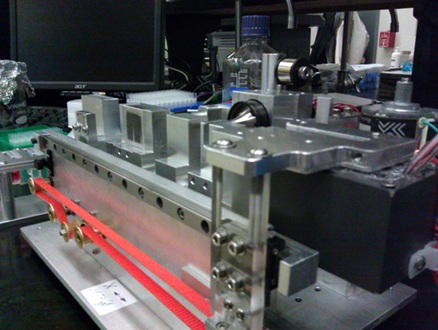
Point-of-Care Diagnostics (CIGHT, Northwestern)
Early engineering contributor on two Gates Foundation-funded diagnostic programmes: a sample preparation automation system for the LYNX infant HIV p24 antigen test, and a phase-gate cartridge test platform for a point-of-care PCR instrument. Acted as the primary interface between external engineering contractors and the molecular biology team, translating assay requirements into hardware specifications.
The PCR platform programme later became the DASH analyser — which received FDA Emergency Use Authorization and $21.3m in NIH funding for COVID-19 testing.
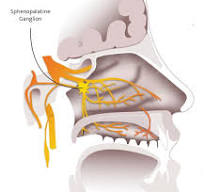
CT Imaging Analysis for Drug Delivery Design
Analysed CT DICOM imaging data to inform applicator configuration design for a combination drug/device for localised deep nasal delivery. Built an ML model (R²=0.7) to characterise nasal cavity geometry variation across a patient population, with results used directly in device design decisions.
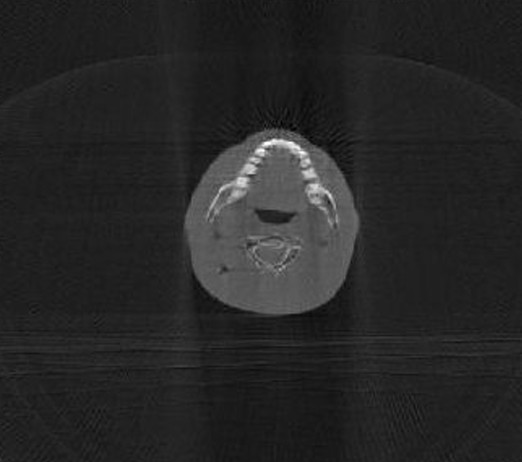
Tomographic Reconstruction: Lodox Statscan
MSc dissertation: Extended prior work on tomographic reconstruction from the Lodox Statscan, a full-body X-ray system used in South African trauma and forensic pathology. The key contribution was automating geometric parameter recovery from image data — designing a calibration phantom and image-processing pipeline to identify marker positions across projection sets, then using non-linear optimisation to recover c-arm angles and scanner geometry for use in filtered back-projection reconstruction.